

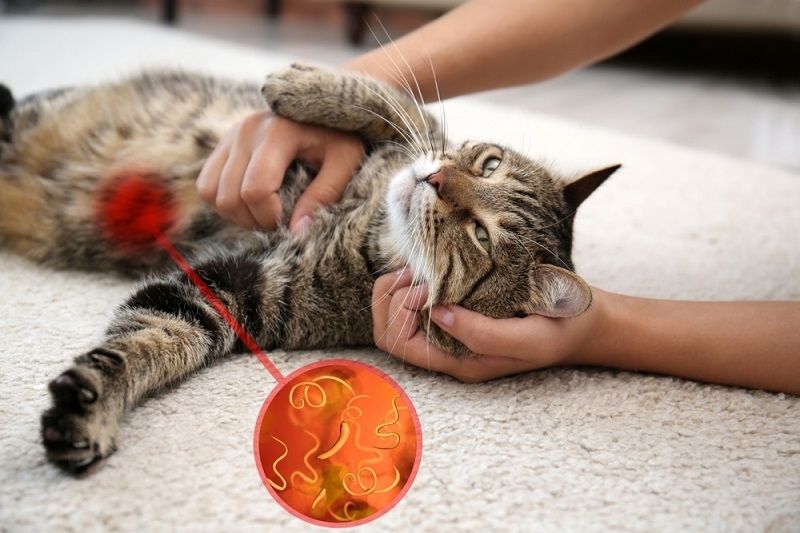
If you have noticed changes in your pet's appetite or weight. Maybe even their litter box habits worms in cats might be the reason that is not so easy to see. Intestinal parasites are more common than many pet owners realize, and even indoor cats aren’t completely immune.
The good news?
If we find out about worm infections early and give our cats the medicine, we can usually take care of the problem. It is an idea to know what symptoms to look for and what kinds of worms can infect our cats. If we act fast, we can keep our cats healthy and happy. Let us break down what we need to do, one thing at a time, to deal with worm infections in cats and keep our friends comfortable.
Before we talk about symptoms and treatment, let's understand why worms are a deal. Worms live in your cat's tummy, eating the nutrients that your cat needs. This can cause your cat to lose weight or develop diabetes, feel sick, get anemia, and feel weak. Some worms can even infect people, although this is rare. It's crucial to prevent worms to keep your whole family safe.
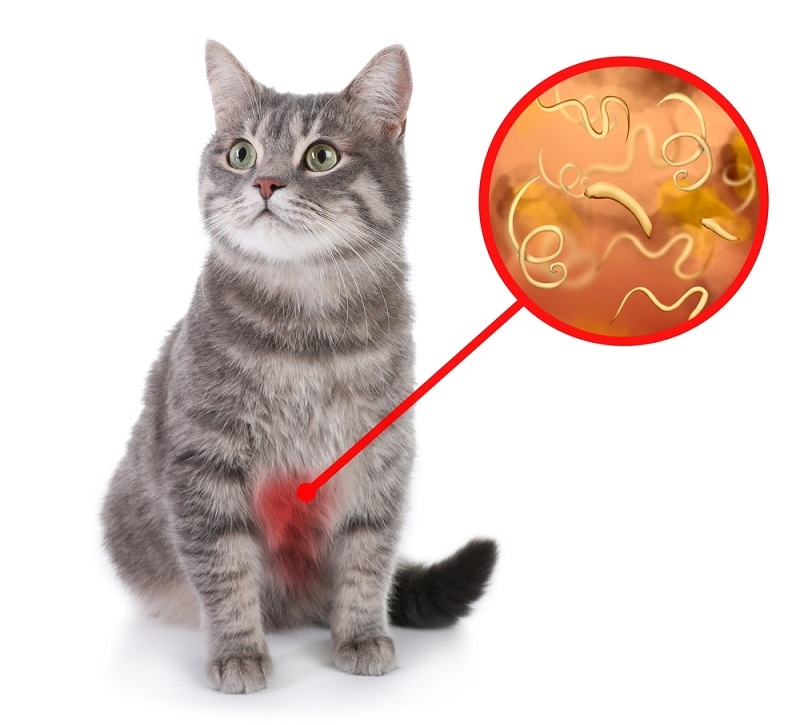
The type of parasite that your cat has will affect your cat in various ways. So it is really important to figure out what kind of parasite your cat has. This helps you find the treatment for the parasite that your cat has. Understanding the type is the first step toward effective care. The most common types of worms in cats. Cats can carry several intestinal parasites, but the most frequently seen include the following:
Cats can get a lot of parasites, but roundworms are really common. These roundworms in cats are usually found in kittens and young cats. The roundworms look like pieces of spaghetti. They live inside the intestines of the cats.
Kittens can get roundworms from the milk their mother gives them. On the other hand, older cats can get roundworms if they eat something that is infected or if they walk on dirty soil that has roundworms in it. The roundworms in cats can multiply fast. So it is very important to treat the roundworms in cats as soon as possible. Some things you might see if your cat has roundworms include:
Tapeworms in cats are a common problem. This usually happens because of fleas. You see, when a cat eats a flea while it is cleaning itself, the tapeworm larvae get into the cat's digestive system. Tapeworms in cats can be an issue.
These worms grow in segments that may resemble small grains of rice around the anus or in the litter box. Tapeworm infections are not, like roundworms. They are often linked to having fleas. So controlling the flea problem is very important to prevent tapeworm infections. Some common signs of tapeworm infections include:
You should try to notice the symptoms of cat worms as soon as they appear. This is because it can stop things from happening to your cat. Some cats do not show symptoms when they first get worms. You should take your cat to the vet regularly.
Get their feces checked, especially if you have a kitten. If the worms are really bad, your cat might get very tired. Not have enough water in their body. The symptoms of cat worms are different depending on the type of worm. Some common signs that your cat has worms include:
Once worms are diagnosed, the next step is understanding how to treat worms in cats. Treatment usually involves deworming medications prescribed by a veterinarian. These medications target specific parasites and are available in oral, topical, or injectable forms.
It’s important not to use over-the-counter medications without veterinary guidance. Incorrect dosing can be ineffective or harmful. In addition to medication, environmental control is crucial. Clean litter boxes daily, vacuum regularly, and treat flea infestations promptly. Your vet may recommend:
Prevention is always easier than treatment. You should keep your cat on a schedule to prevent parasites, just like your veterinarian tells you to. It is an idea to keep fleas under control all year. If you can, try to limit how much your cat hunts, especially if your cat goes outside. You should also get your cat's feces checked regularly. This is especially important for kittens and cats that are new to your home. If you take care of your cat in a certain way, it will be less likely that your cat gets infected with parasites again and again.
Read More: Cat Hairball Remedies for Easy Prevention & Relief
If you see that your cat is vomiting a lot or has diarrhea, or you can see worms, you should take your cat to the vet immediately. Kittens, senior cats, and cats that do not have an immune system are more likely to get very sick. The sooner you find out what is wrong with your cat, the sooner your cat will get better. The less likely it is that your cat will have serious problems. Kittens and cats with weakened systems need special care, so early diagnosis of worms or other issues is very important for cats.
Must Try: Things Everyone Should Know About Heart Murmurs in Cats
Worms in cats are common but manageable with proper awareness and care. We covered types of worms in cats, roundworms in cats, tapeworms in cats, key cat worm symptoms, and how to treat worms in cats safely. Stay proactive with vet visits and prevention to keep your feline healthy and parasite-free.
Yes, indoor cats can still get worms through fleas, contaminated shoes, or infected prey like insects. Regular prevention and vet check-ups remain important even for indoor pets.
Kittens are typically dewormed every few weeks during early life. Adult cats may require routine deworming based on lifestyle and veterinary advice.
Some parasites, like roundworms, can pose a risk to humans if hygiene is poor. Proper litter box cleaning and handwashing greatly reduce this risk.
This content was created by AI