

If you live with a cat, you probably know that moment when they hunch, make that strange coughing sound, and leave behind a little clump that no one asked for. Hairballs are normal, sure, but when they start showing up too often, they stop being a small annoyance and become a sign that something’s off. This blog walks you through cat hairball remedies that really help, plus what causes hairballs, how to reduce them, and how to spot early cat hairball symptoms. You’ll get practical tips, natural options, and a few gentle reminders that caring for a cat is a mix of science, instinct, and a little humor.
Before jumping into stronger or more specialized approaches, it helps to understand why hairballs happen and what simple changes can make life easier. Most cats groom themselves constantly, almost like it’s their full-time job. That means hair is always going down the hatch. Some cats manage it just fine, while others need a little help.
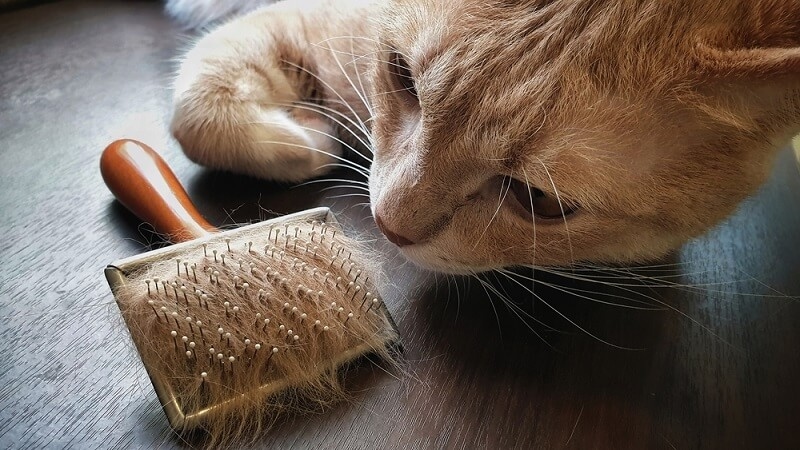
Daily brushing removes loose fur before it lands in your cat’s stomach. It sounds simple, but it’s surprisingly powerful. Tools like the Furminator, a rubber grooming brush, or a classic steel comb can reduce shedding drastically. If you’ve got a cat who acts like brushing is a personal insult, try short sessions with treats. Sometimes, one minute a day works better than one long session.
Cats can be funny about water. They might ignore a bowl for days but drink like royalty from a running fountain. Hydration keeps your cat’s digestive system moving well, which helps push swallowed hair through instead of sending it back up. Adding wet food or a bit of broth can help too. It’s not magic, but it does shift things in the right direction.
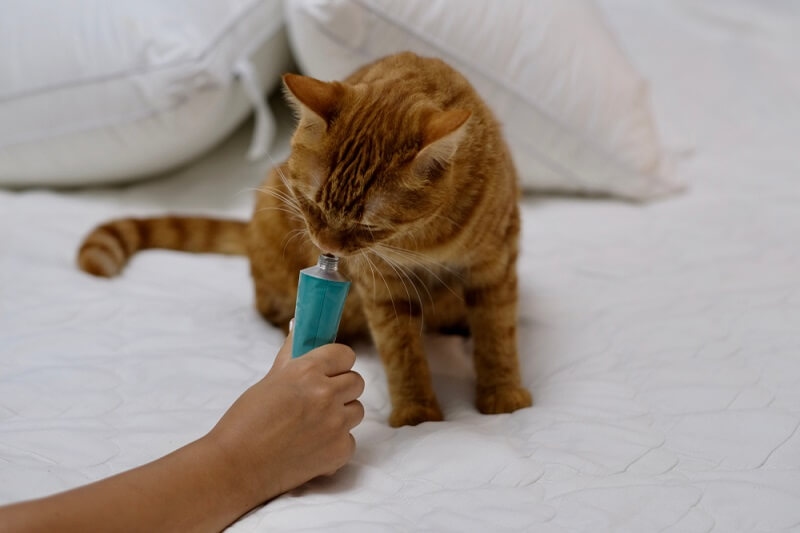
Over-the-counter hairball treatment products for cats, like petroleum-free gels, can make a noticeable difference. They help coat the swallowed hair so it slides through more smoothly. A pea-sized amount on a paw or dish once or twice a week is usually enough. Some cats lick it immediately; others act like you’ve betrayed them and need coaxing.
Hairballs can seem like no big deal, but when they become frequent, the symptoms tell you something. It’s helpful to keep an eye on patterns like coughing, gagging, or changes in appetite.
Cats don’t always show discomfort in obvious ways. You might notice soft coughing fits that happen more often than usual or see your cat licking their fur in an almost anxious rhythm. Sometimes they leave tiny bits of regurgitated foam. Other times, they just act restless. These little clues add up.
If hairballs show up multiple times a week, or your cat looks lethargic, it’s time for the vet. Rarely, hair can form a blockage that becomes an emergency. Watch for signs like repeated vomiting, constipation, or lack of appetite. They don’t happen often, but you know how cats are. They hide things until they can’t anymore.
Long-haired breeds like Maine Coons, Ragdolls, and Persians naturally swallow more hair. Senior cats may have slower digestion. Cats with allergies groom more when they itch. Each factor adds a layer, almost like a puzzle that fits together in ways we sometimes miss.
Prevention works best when it becomes a habit. Nothing fancy. Just small, steady changes that reduce hair intake and keep digestion healthy.
Many cat food brands now offer formulas made specifically for preventing cat hairballs. They often include extra fiber, better quality protein, or healthy fats that support the digestive tract. Even adding a spoonful of canned pumpkin once in a while can help. It’s gentle, and cats surprisingly accept it.
A stressed cat grooms more, and that means more hair swallowed. Cats crave routine. A shift in feeding schedule, loud noises, or new household changes can throw them off. Sometimes, even moving furniture can spark over grooming. Calming sprays or giving them a safe, cozy spot can make a quiet difference.
Spring and fall are big shedding seasons. A quick trick is brushing more often during these months and using a lint roller on your couch and bedding. Not for looks, but because fur on your furniture ends up in your cat eventually. It works like a domino effect.
There’s no single fix that works for every cat. Instead, think of hairball solutions as a toolkit you can mix and match until something clicks.
Fiber helps move swallowed hair through the digestive tract. You can use cat-safe fiber powders or vet-approved supplements. Some cats respond well to small amounts of oat grass or wheatgrass. These greens mimic what outdoor cats nibble on naturally. Just keep it in moderation.
A teaspoon of fish oil a few times a week can reduce shedding because it strengthens the coat. When a cat’s fur is healthier, less falls out during grooming. It also supports skin health and has a mild effect on promoting smoother digestion.
Some cat owners prefer gentler and more natural approaches. They’re not meant to replace medical advice, but they can calm recurring issues and support your cat’s overall comfort.
A tiny bit of coconut oil can help hair move through the stomach. Many cats enjoy the taste. Start small, maybe half a teaspoon once a week. Too much can cause loose stool, so balance matters.
A few drops of inner aloe gel can be soothing for the digestive tract, but make sure the product is labeled safe for cats because the outer leaf contains toxins. Always check with your vet before trying this remedy.
Hairballs aren’t glamorous, but they’re part of sharing your home with a cat. The good news is these remedies, from simple brushing routines to natural hairball remedies and fiber-rich diets, make a real difference. You don’t have to overhaul your entire routine. Just a few tweaks can help your cat feel lighter, calmer, and more comfortable. And honestly, it feels good knowing you’re helping them from behind the scenes, even if they pretend not to notice.
Most cats produce an occasional hairball. Frequent episodes, especially several in a week, call for a vet check.
Usually, no, but they can cause blockages. If your cat vomits repeatedly or looks uncomfortable, seek veterinary help.
Not always, but they benefit from regular brushing and a hairball-friendly diet to keep issues under control.
Natural remedies can help, but each cat reacts differently. Introduce them slowly and talk to your vet if your cat has sensitivities.
This content was created by AI