

Owning a pet is simple on paper, but the day-to-day care is where most people slip. It is usually not one big mistake, but small things like irregular feeding, skipped grooming, or lack of routine that build up over time.
This guide keeps it real and usable. These pet care tips focus on what actually works in daily life, based on standard practices followed by vets and pet owners across the U.S. If the basics are handled right, most common issues can be avoided, and your pet stays healthy without extra effort.
A proper daily pet routine keeps your pet settled. When timing is consistent, pets eat better, sleep better, and behave better.
Here is what a simple day should look like:
Morning
Evening
For example, feeding your dog at different times every day often leads to restlessness or begging. A fixed daily pet routine avoids that and supports better digestion and overall pet wellness.
Food choices show results quickly. Energy levels, coat condition, and weight all depend on what and how you feed.
Follow these pet health tips:
A common mistake is overfeeding through treats. Even small extras add up. In the U.S., pet obesity is common, and it usually comes down to portion control.
Balanced feeding is one of the easiest ways to improve pet wellness without changing anything else.
Basic health checks are often ignored until something goes wrong. That usually makes things harder and more expensive.
Keep these pet health tips in place:
For example, if your pet suddenly stops finishing meals or seems less active, that is worth checking early. These small signs matter.
Any solid animal care guide focuses on prevention first. It is simpler and more effective.
Cleanliness is not just about appearance. It affects comfort and health directly.
Follow these pet hygiene tips:
Bathing
Brushing
Teeth cleaning
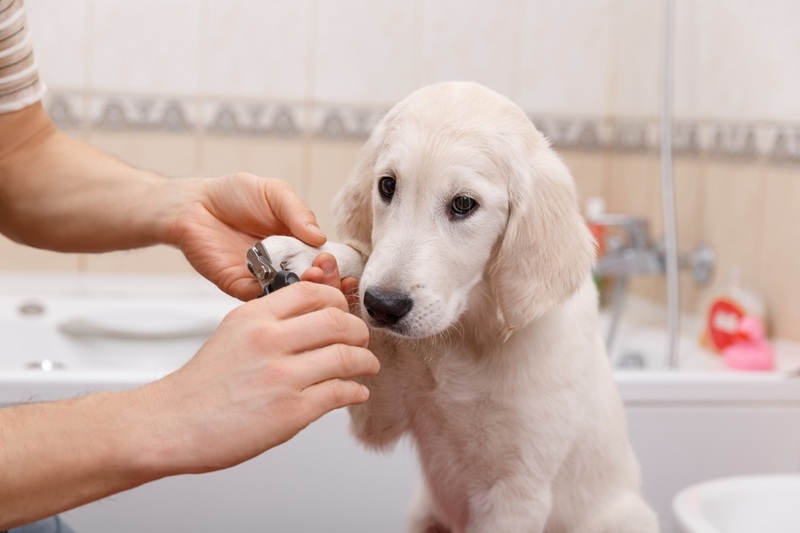
Nails
A simple example: long nails can change how a dog walks, which can lead to joint stress. Basic pet hygiene tips prevent these issues and support better pet wellness.
Don’t Miss: Pet Travel Essentials for Safe and Stress-Free Adventures
Pets that do nothing all day tend to create problems. Activity keeps them balanced.
Dogs
Cats
A bored pet will find its own way to stay busy, which usually means chewing, scratching, or making constant noise. Adding movement to your daily pet routine helps avoid that.
This is one of those pet care tips that solves multiple problems at once.
Grooming is often skipped until it becomes necessary. It should be part of your regular routine.
Basic grooming includes:
Some breeds need professional grooming, but most basic care can be handled at home.
For example, if fur starts matting, it traps dirt and moisture. That can lead to skin irritation. Regular grooming is a key part of any animal care guide and supports overall pet wellness.
Your space should be easy for your pet to live in without risk.
Make sure you:
Also provide:
Weather matters too. In many U.S. regions, temperatures can shift fast. Keeping pets indoors during extreme heat or cold is basic but important.
Training makes everything smoother. It does not need to be complicated.
Focus on:
For example, teaching your dog to sit before feeding creates structure. Small habits like this improve discipline without stress.
Training fits naturally into your daily pet routine and supports long-term pet wellness.
Care needs change depending on weather.
Summer
Winter
Ignoring seasonal changes can lead to discomfort or health issues. These small adjustments are part of practical pet care tips.
Most problems come from routine gaps.
Watch out for:
For example, a pet that does not get enough movement often develops behavior issues. Fixing the routine usually fixes the behavior.
Explore More: Winter Pet Care Guide to Keep Them Safe, Warm, and Healthy
Good care comes down to doing simple things consistently.
Focus on:
These habits support long-term pet wellness without making things complicated. Most pet health tips and pet hygiene tips are easy to follow once they become part of your routine.
Stick to what works, keep it consistent, and adjust as your pet grows. That approach holds up better than trying to follow complicated systems.
Here are a few practical questions that go beyond the basics and help fine-tune your approach.
A working schedule does not mean poor care. Set fixed feeding times, automate water access, and keep a predictable daily pet routine. Many U.S. pet owners also use dog walkers or pet sitters for mid-day breaks. Interactive toys can keep pets engaged while you are away.
Look for subtle changes like dull coat, low energy, irregular stools, or weight gain. These usually show before bigger issues. Adjusting food based on age, activity level, and health needs is part of a proper animal care guide and helps maintain steady pet wellness over time.
Indoor pets still need stimulation. Rotate toys, introduce simple training tasks, and create small challenges like hiding treats. Mental activity reduces boredom and stress. It is one of the less discussed pet care tips, but it has a strong impact on behavior and overall pet wellness.
This content was created by AI