

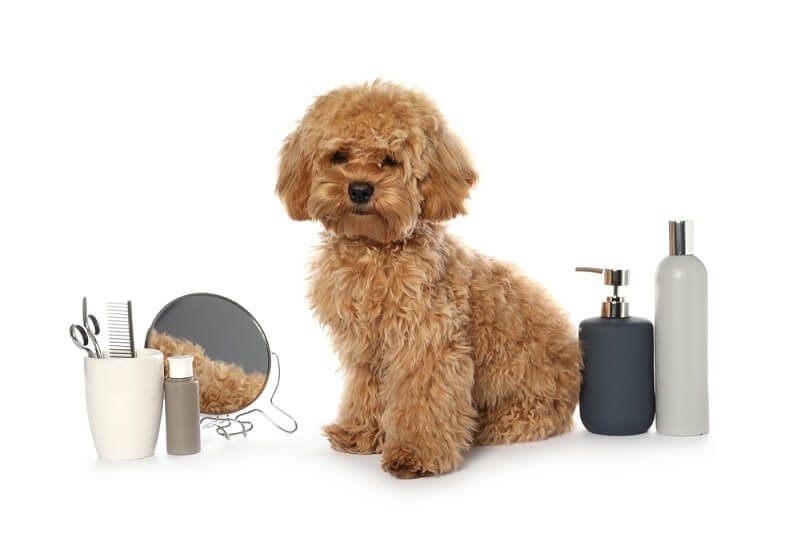
Keeping a dog neat can feel like a big task, but here’s the thing. With the right dog grooming tips and a bit of practice, grooming your dog at home becomes easier than most folks think. Many families opt for home dog grooming because it saves money, fosters trust with pets, and helps keep dogs comfortable every day. When good dog coat care becomes a habit, the results always show. What this really means is DIY dog grooming can be safe and straightforward when done right.
Below is a straightforward guide built for everyday pet owners who want smart help without confusing words. These steps utilize dog grooming techniques that anyone can handle and incorporate into a regular home routine.
Grooming can seem intimidating at first, but most dogs respond well when the environment remains calm. Many dogs feel unsure if brushes or clippers come out fast, so slow motions help. Good home dog grooming begins with easy tools and soft hands. Here are a few starting points that help the process run smoothly:
These small habits build trust. Once trust grows, handling dog coat care gets easier.
A healthy coat always begins with routine brushing. Most dog grooming techniques for coat care rely on simple tools, such as slicker brushes, metal combs, or bristle brushes. Each one helps different coat types. Dogs with long coats require more frequent brushing, while short-coat dogs still need their loose hair removed a few times a week.
Regular brushing helps in many ways:
Let’s break it down. Brushing keeps the dog clean and the home tidy. DIY dog grooming works best when brushing happens in short sessions. Ten minutes is enough for most breeds. If tangles show up, brushing slowly through each one works better than pulling hard.
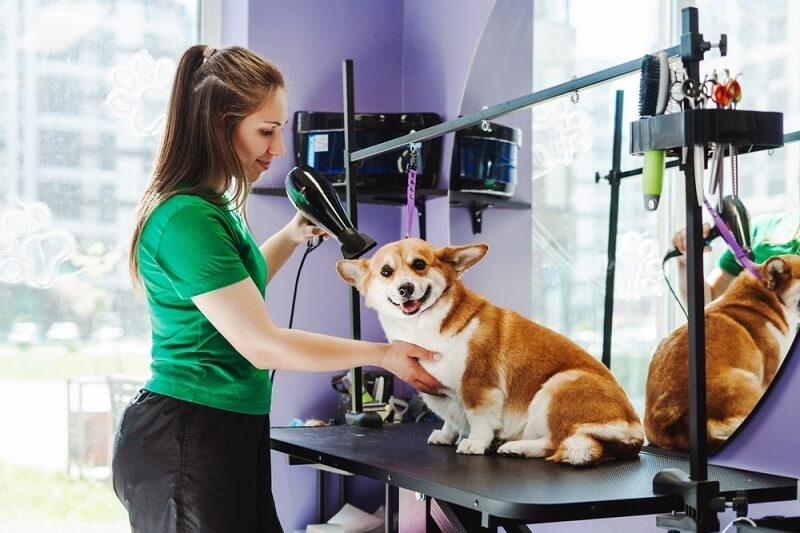
Baths help dogs feel fresh, but excessive bathing can dry out their skin. A simple rule is to wash the dog once every three to five weeks, unless it rolls in mud or has a skin issue. Warm water helps loosen dirt without shocking the dog. A gentle shampoo made for dogs works best because human shampoo can alter the skin's balance.
Some general steps make bath time smoother:
One thing many pet owners often forget is brushing their pet again after the bath. This finishes the job and helps prevent tangles as the dog dries.
Many dogs dislike nail trimming, so this part takes patience. What this really means is trimming slowly, a tiny bit at a time. Dog nails have a quick inside them, and cutting too far can cause pain. Starting with minor cuts keeps mistakes low.
Helpful tips for nail care:
If the dog has dark nails, trimming less at once is safer. Filing the edges can help soften sharp corners without going too deep.
Ears collect dirt fast, especially on floppy-ear breeds. Light cleaning once a week keeps infections low. A soft cotton pad and a dog-safe ear solution work well. Never push deep inside the ear. Just wipe around where dirt gathers.
For eyes, a gentle cloth removes tear stains or dust. Dogs with long hair near the eyes may need a tiny trim, but scissors must stay far from the eyes. Many pet owners opt for rounded-tip scissors for added safety.
Each coat type needs slightly different steps. Here are some examples to help the routine better fit the door.
Matching the coat type with the proper grooming method makes life easier and keeps the dog healthier.
Many owners try DIY dog grooming with clippers. Clippers help with trimming and shaping. Light trims around the belly, legs, and chest help dogs stay cooler. Always start with the lowest noise setting. Noise scares many pets, and calm pets remain safer.
A few guidelines help avoid mistakes:
If any step feels unsafe, stopping is always the right choice. Grooming should never feel rushed.
Dogs shed more during spring and fall. Homes fill with hair fast. Dog coat care during shedding season matters more. Using de-shedding tools helps pull loose undercoat hair safely.
Extra steps that help:
Grooming during shedding season reduces mess and keeps dogs cooler.
A routine keeps things predictable for pets. Dogs respond to patterns. When grooming your dog happens on the same day each week, the dog becomes calmer.
A sample weekly routine might look like this:
Monday: Brush coat
Wednesday: Check nails and ears
Friday: Quick brushing
Every 3 weeks: Bath
Seasonal: De-shedding sessions
This kind of simple plan helps families stay on track without stress.
DIY dog grooming can feel easy once it becomes a habit, but some common mistakes can cause problems. Avoiding them keeps grooming safe.
Common mistakes include:
These mistakes may seem minor, but they can lead to skin issues or discomfort. When the dog feels good, grooming turns into bonding time.
Even with strong dog grooming tips, some dogs need professional help. Thick-coated breeds or dogs with long mats often need trained hands. Pets with skin allergies also benefit from Pro-Care. Groomers possess advanced dog grooming techniques that aid in shaping, thinning coats, and safely removing mats.
A groomer may be needed when:
Good grooming means knowing when to seek expert advice.
Good grooming keeps a dog healthy, relaxed, and looking great. Simple care steps and the right dog grooming tips help families handle daily needs with less stress. When home dog grooming becomes routine, pets feel better every day. A calm approach and steady habits bring tangible results for any dog.
Most dogs require brushing at least several times a week. Long-coat dogs require daily care, while short-coat dogs need less frequent care but still regular brushing.
Yes, simple steps like brushing, light trimming, and bathing are safe when done slowly and gently.
Consistent brushing, especially behind ears and under legs, prevents mats from forming and becoming painful.
A slicker brush, a metal comb, dog-safe shampoo, nail clippers, and a soft towel support most grooming needs.
This content was created by AI