

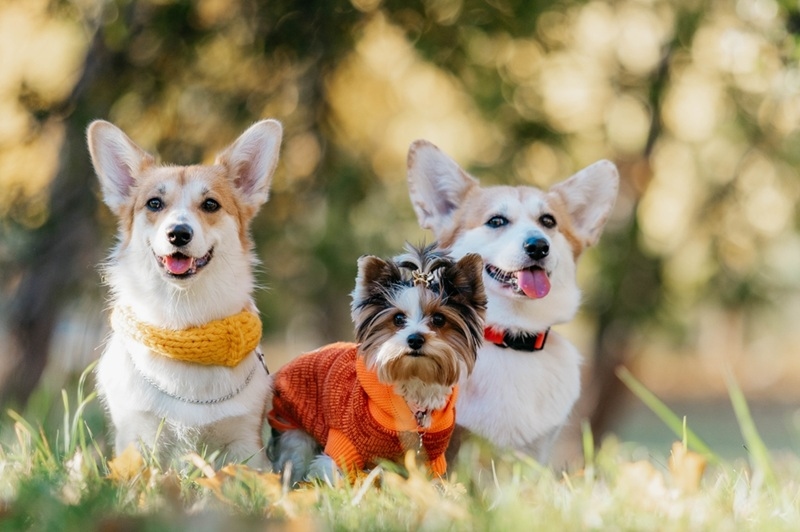
Lots of dog lovers dream of owning a pet without having their dog shed all over the sofa, carpet, and clothing. It's this dream that has sparked significant interest in non-shedding small and medium dog breeds over the past few years. Nearly 70 percent of US homes have pets, the APPA notes, but low-shedding dogs are especially well-suited for apartment dwellers, families with children, and people with allergies.
While it's not true that some dogs don't shed at all, there are specific breeds that leave less hair around your home. Having a non-shedding dog breeds list is a good choice to keep your home clean, reduce your allergy triggers, and make grooming less of a hassle. You can still have a loving furry friend, but a low-shedding breed makes ownership even easier, and in the US, these dogs are popular among apartment dwellers, families with young children, and those sensitive to dog dander and hair.
In this guide, we will review what low-shedding dogs are, how low-shedding dogs are for allergy sufferers, why you should own them, and which breeds will work well for anyone hoping for a low-maintenance lifestyle.
Non-shedding dogs are any breed that naturally releases much less hair into your home than breeds that shed heavily (e.g., Huskies and German Shepherds). Typically, dog breeds have hair rather than coats, and the hair naturally remains in place rather than shedding throughout the house and surrounding property.
In the US, low-shedding dogs are generally also considered low-dander breeds, as they disperse much less dander into the air. This is what makes them great dogs for people with mild allergies or asthma sensitivities.
However, it’s vital to understand that these dogs still require extensive care, grooming, and often a professional groomer.
There's an increasing trend towards modern, more time-saving homes. This has driven demand for low-maintenance dogs, and other low-shedding breeds are an ideal choice.
Try This: Hypoallergenic Dog Breeds That Make Life Easier for Homes
Certain breeds naturally come to mind when considering a non-shedding dog. The Poodle, the Bichon Frise, and the Yorkshire Terrier consistently top the list.
A Poodle is one of the most widely recognized non-shedding dogs on the market. Due to its tightly curled, hair-like coat, loose hair tends to be trapped in the coat rather than fall onto the furniture. Poodles come in many size variations, toy, miniature, and standard, which suit most homes and needs. They are known to be extremely intelligent and easy to train. Although they require professional grooming every 4 to 6 weeks, it's considered well worth it for a hair-free home.
With a fluffy white coat and joyful attitude, the Bichon Frise is a very lovable dog. Though the fur looks so soft, Bichons shed very lightly. These little dogs are excellent for first-time owners and seniors. They are great with kids, too.
The Maltese breed of dog is an incredibly elegant breed with hair similar to human hair rather than dog hair. The fur is long, and it typically sheds very little. This makes them a great choice if you’re shopping for a non-shedding dog that causes minimal allergies. Malteses are wonderful apartment dwellers as well; they have quite a playful attitude towards life and will love your company.
These athletic and energetic dogs will make you a great friend. The coat of a Portuguese Water Dog consists of curly or wavy hair that does not shed, making it great for an active, working family or owner. Because they were initially bred for work, they are very smart and quick to learn. After former president Barack Obama’s Portuguese Water Dog, Bo, appeared in the White House, they skyrocketed in popularity, but only because they suited certain people.
There are many varieties of schnauzers. Miniature and Standard Schnauzers have a very dense, wiry double coat and shed very little. The Schnauzers have been bred in Europe for centuries and possess protective traits that they readily display toward their family.
Yorkshire Terrier
Though tiny, the Yorkie is one of the best-known small- and medium-sized non-shedding dogs, and they have a personality much larger than their physical selves. With hair that looks more like human hair, they shed quite minimally and can be quite a useful companion if you want a low-shedding pet in your home. The Yorkie breed is extremely adaptable to apartment living.
Low-shedding dogs reduce indoor grooming work, but that does not necessarily mean they will be easier to maintain in the long run. Because their hair grows so quickly, most of these breeds will have problems if you do not maintain it, so expect to spend lots of time with a brush. Some professional grooms can cost hundreds of dollars, especially those requiring specialized clipping and attention every few weeks for breeds like the Portuguese Water Dog.
Here are a few basics to know when maintaining a non-shedding dog:
When buying a dog, you want to know you’re choosing a breed that’s perfect for you and your family. Consider what is best about the chosen breeds: if they will fit into your life and suit the size of your apartment, if they’re the correct temperament for a growing family, if they can tolerate other pets, etc. For instance, Portuguese Water Dogs are extremely energetic and therefore would not be a great choice for someone with very little free time.
Consider that different dog breeds are known for specific traits and personalities. Poodles are typically considered more intelligent and adaptable than Bichon Frises, while Yorkshire Terriers are much better apartment dogs. Always meet the breed before committing to it, even if allergies are not a concern. Some individuals within low-dander dog breeds in the USA may still be prone to allergic reactions.
Must Try: Things You Should Know Before Bringing Large Dog Breeds
Buying breeds that do not shed has certainly made things easier and more comfortable for dog lovers. While there aren't many truly zero-shedding dog breeds, those listed above do provide dogs that significantly reduce stray hair and dander in a home. Many apartment owners, allergy sufferers, and families can find a very loving companion that can help reduce household grooming time. Keep in mind that low shedding does not necessarily mean less time spent grooming the dog; it may require more attentive grooming habits. By considering these dogs and your own circumstances, you will surely be able to make a thoughtful decision about which companion dog to add to your life.
It depends, but many do. It's recommended to book professional grooming every 4 to 8 weeks for breeds like the Poodle and Bichon Frise, as loose hair and dander can become trapped in the fur, preventing the breed from shedding naturally. If not regularly groomed, the coat can eventually become matted.
No, the term "hypoallergenic" when it comes to dogs is really a bit of a misnomer. All dogs produce some degree of dander and saliva, both of which can contribute to allergic reactions. While low-dander breeds like those mentioned in this guide may produce fewer allergens overall, some allergy sufferers still react to them.
Poodles, Bichon Frises, and Schnauzers are excellent low-shedding dog breeds for families because they are incredibly good with children and people of all ages, thanks to their gentle, trainable nature. Portuguese Water Dogs are also generally friendly and intelligent, but need plenty of stimulation throughout the day.
This content was created by AI